
Stephen Zimmerman
Updated 5:03 PM CDT, Mon August 3, 2026
Published Under: General Helpful Tips Icare
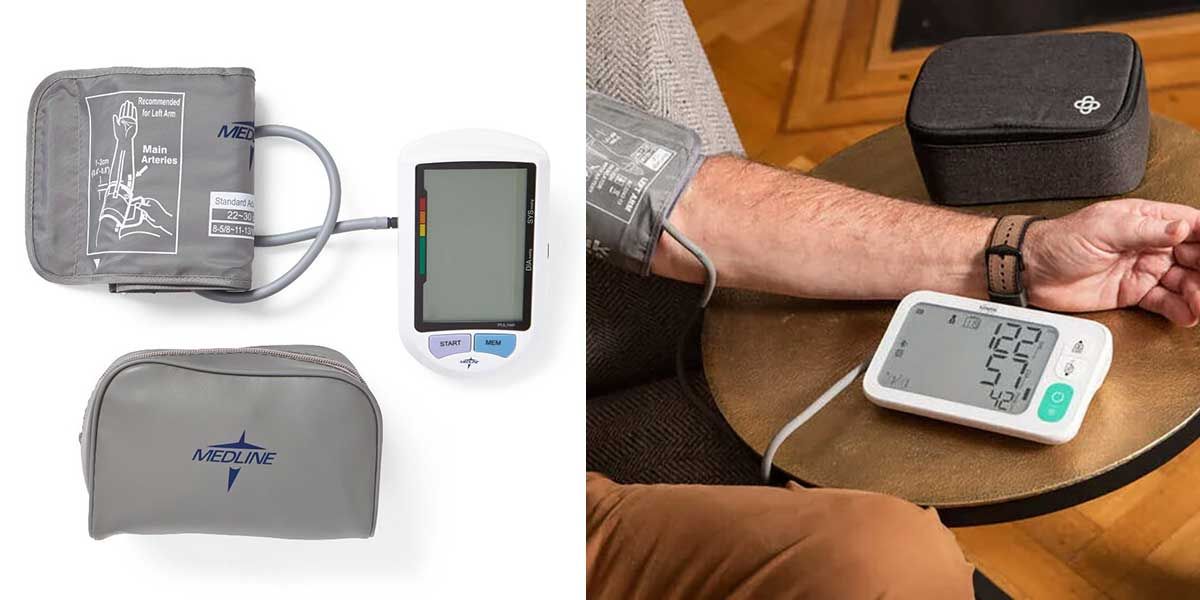
Managing a chronic condition at home starts with having the right tools, and for millions of people that means a reliable blood pressure monitor or blood glucose meter. With so many models and features on the market, it is easy to end up with a device that is either more complicated than you need or not accurate enough to trust. This guide walks through what actually matters so you can choose equipment that fits your health needs and your daily routine.
At Bay Area Medical Supply, we carry a full range of home diagnostic equipment, and our team is always available to help you pick the right device in person or over the phone.
Why Home Monitoring Matters
Regular blood pressure and blood glucose monitoring gives you and your doctor a clearer picture of your health between appointments. A single reading at a checkup only captures one moment in time, but daily readings at home can reveal patterns, catch problems early, and help you and your care team adjust medication or lifestyle changes with real data instead of guesswork.
This is especially important for people managing hypertension, diabetes, or both, along with anyone recovering from a cardiac event or adjusting to a new medication. Consistent home readings, taken the same way at the same time each day, tend to be more useful than occasional readings taken under different conditions.
Choosing a Blood Pressure Monitor
Upper arm vs. wrist monitors: Upper arm monitors are generally considered more accurate and are the type most doctors recommend, since the upper arm is closer to the heart and less affected by movement or positioning. Wrist monitors are more portable and easier for some people to put on independently, but they require more careful positioning to get an accurate reading. If accuracy is your top priority, start with an upper arm model like our digital blood pressure monitor with adult cuff.
Cuff size matters more than people realize. A cuff that is too small or too large for your arm can throw off readings significantly. Most standard monitors come with an adult cuff, but larger or smaller cuff sizes are available and worth checking if a standard cuff feels too tight or too loose. Replacement cuffs, like our Medline blood pressure cuff, are also useful if your current cuff wears out before the monitor itself does.
Features worth considering: Look for irregular heartbeat detection, memory storage for multiple users, and a large, easy-to-read display if the monitor will be used by an older adult. Bluetooth connectivity that syncs to a phone app can be helpful if you or a family member wants to track trends over time, though it is not necessary for basic reliable monitoring.
Choosing a Blood Glucose Meter
Ease of use and testing routine: The best glucose meter is one you will actually use consistently. Look at how much blood the test requires, how long the results take, and whether the test strips are easy to handle, especially if dexterity is a concern. Our Evencare G2 glucose meter is a straightforward option built around simple, consistent testing.
Test strips and ongoing cost: Unlike a blood pressure monitor, which is mostly a one-time purchase, a glucose meter comes with an ongoing cost for test strips. It is worth checking strip pricing and availability before committing to a meter, since some models use proprietary strips that are harder to find or more expensive over time. Glucose test strips are worth having on hand in bulk if you test regularly.
Accuracy and calibration: Look for meters that meet current accuracy standards, and always follow the manufacturer's guidance on control solution testing to confirm your meter is reading correctly, particularly after opening a new box of strips or if a reading seems unusually high or low.
How Often Should You Test?
This depends entirely on your specific condition and what your doctor recommends. Some general starting points include testing blood pressure once or twice daily at consistent times, and testing blood glucose based on your treatment plan, which could range from a few times a week to several times a day. Always follow your physician's specific guidance rather than a generic schedule, since individual treatment plans vary widely.
Getting Accurate Readings at Home
A few simple habits make a real difference in reading accuracy:
- Sit quietly for five minutes before taking a blood pressure reading
- Keep your arm supported at heart level during the reading
- Avoid caffeine, exercise, and smoking for 30 minutes before testing
- Wash your hands before a glucose test to avoid contamination
- Record results consistently, whether on paper or through an app, so patterns are easy to spot
Frequently Asked Questions
What is a normal blood pressure reading? A typical healthy reading is often cited as below 120/80, but normal ranges vary by individual health history. Your doctor can tell you what target range is appropriate for you specifically.
How do I know if my blood pressure monitor is accurate? Bring your home monitor to a doctor's appointment and compare its reading to the clinical reading taken at the same time. If the numbers are consistently far apart, the monitor may need replacement or a different cuff size.
Can I use the same glucose meter for years? Most meters last several years with proper care, but accuracy can drift over time. Regular control solution testing and checking for a firmware or model update from the manufacturer can help confirm your device is still reliable.
Where can I get help choosing the right device? Our team at Bay Area Medical Supply can walk you through options in person or by phone, and help match a device to your specific needs and budget. Browse our full range of diagnostic supplies or contact us with any questions.
The right home diagnostic equipment should feel simple to use, give you readings you can trust, and fit naturally into your daily routine. If you are unsure which blood pressure monitor or glucose meter is right for you, our team is happy to help you compare options. Visit our shop to see current inventory, or stop by and talk to someone who can guide you through the choice in person.
Comments