
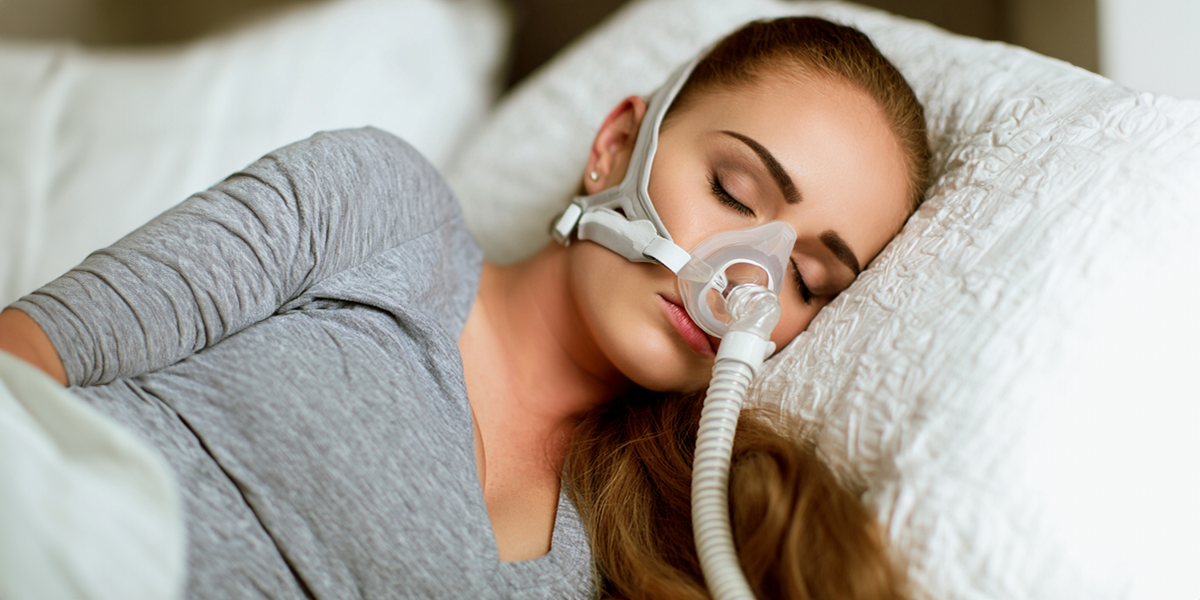
Best CPAP Setup for Side Sleepers
Side sleeping is the most common sleep position, but it is also one of the trickiest for CPAP users to get comfortable with. Mask seals shift when your face presses into a pillow, hoses get tangled or yanked, and many people find themselves waking up repeatedly to readjust their equipment. The good news is that side sleepers do not have to choose between their preferred sleeping position and effective sleep apnea therapy. The right combination of machine, accessories, and pillow support makes a real difference. Bay Area Medical Supply specializes in home medical equipment and offers a few options to help improve your sleep comfort.
Here is what actually helps when you sleep on your side.
Why Side Sleeping Is Hard on Standard CPAP Setups
A traditional CPAP setup was not originally designed with side sleepers in mind. Bulky machines, stiff tubing, and pillows that do not account for a mask and hose tend to create pressure points and constant interruptions. When your cheek or ear presses against a pillow while wearing a mask, the seal can break, which leads to air leaks, noise, and a disrupted night.
The fix is not to abandon CPAP therapy or force yourself into a sleeping position that does not feel natural. It is to choose equipment that works with side sleeping rather than against it.
A Compact Machine Makes a Real Difference
The size and design of your CPAP machine affect how easy it is to manage tubing and movement throughout the night. The AirMini APAP AutoSet is one of the smallest CPAP machines available, and that compact size matters more than people expect. Smaller machines mean shorter, lighter tubing runs, which translates to less drag and tension when you roll onto your side. The AirMini also offers AutoSet therapy, which automatically adjusts pressure throughout the night based on your breathing, so you are not locked into a single fixed pressure that may feel less comfortable in different positions.
For users who need a full-featured machine with built-in humidification, the AirSense 11 AutoSet is another strong option. It includes a HumidAir heated humidifier and ClimateLineAir heated tubing, which helps prevent the dry mouth and nasal irritation that can make side sleeping with a mask even less comfortable. The touchscreen interface and AutoRamp feature also make it easier to settle into sleep gradually, rather than being hit with full pressure right as you are trying to fall asleep on your side.
The Right Pillow Changes Everything
Mask comfort while side sleeping comes down to more than the mask itself. Standard pillows were not built to accommodate a mask, hose, and the shifting position of side sleeping, which is why so many CPAP users wake up with the mask digging into their cheek or the hose pulling at an awkward angle.
A CPAP pillow is specifically built to solve this problem. It features a plush, double-sided fiberfill design with four adjustable heights, so you can find the right loft for side sleeping without compressing your mask seal. It also includes a built in hose tether, which keeps the tubing secured and prevents it from tugging the mask out of place as you move during the night. This kind of small adjustment often has an outsized impact on therapy comfort and compliance.
Keep the Tubing Manageable
Tubing length and flexibility play a bigger role in side sleeping comfort than most people realize. Long, stiff tubing creates drag every time you shift position, which can pull at the mask and disrupt the seal. If you are using the AirMini, the dedicated AirMini tubing is shorter and lighter than standard CPAP tubing, which reduces the amount of pull on your mask when you turn onto your side.
For users on a standard machine, slimline tubing options reduce bulk and weight without sacrificing airflow, which can also make side sleeping more comfortable over the course of the night.
Building a Setup That Works for You
Every side sleeper's ideal CPAP setup looks a little different depending on mask type, pressure needs, and personal comfort preferences. Some people do best with a smaller, more portable machine and a supportive pillow. Others need the full humidification features of a larger device paired with the right tubing length and pillow combination.
The team at Bay Area Medical Supply works with CPAP users across Northern California to find equipment that actually fits how they sleep. If side sleeping has made your current setup uncomfortable, reach out and we can help you find a combination of machine, tubing, and accessories that supports the way you actually rest.
Comments