
Stephen Zimmerman
Updated 6:16 PM CDT, Thu June 4, 2026
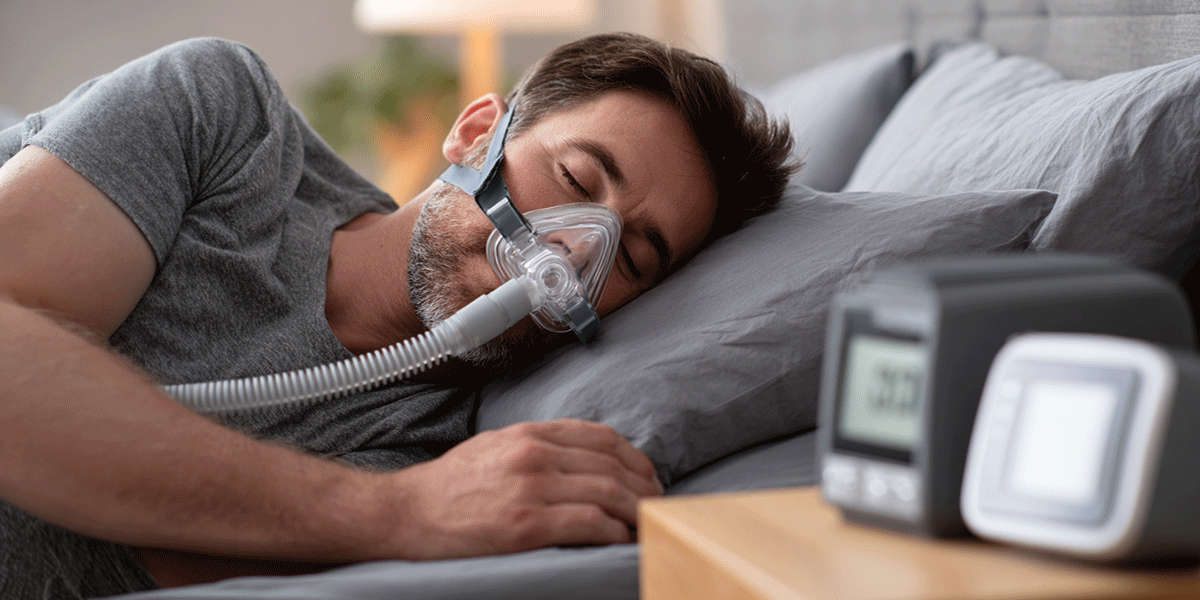
CPAP Machine Side Effects: What to Expect and Why Most Are Easy to Manage
Bay Area Medical Supply is a home medical equipment store that helps many first-time users through that adjustment period of using a CPAP machine, and we can tell you that the vast majority of people settle in comfortably once their equipment is dialed in. Here is an honest look at what you might experience and exactly how each issue is handled.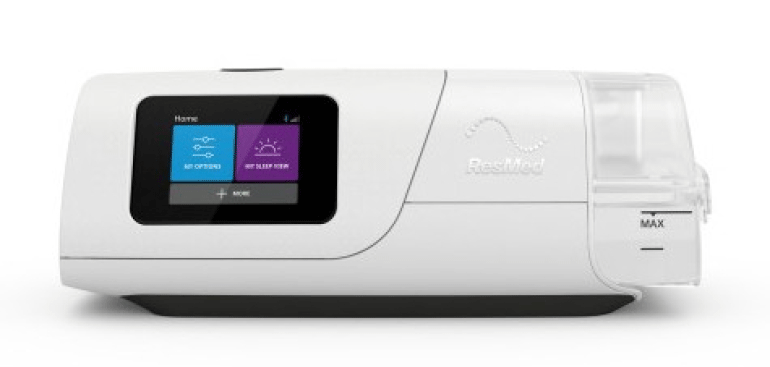
What Is a CPAP Machine?
If you have been told you have sleep apnea, there is a good chance someone has mentioned a CPAP machine. The name sounds technical, but the idea behind it is actually pretty simple.
CPAP stands for continuous positive airway pressure. That is a mouthful, so here is the plain version: it is a small bedside machine that gently blows a steady stream of air through a hose and a mask while you sleep. That gentle air keeps your airway open so you can breathe easily all night long.
Here is why that matters. When you have sleep apnea, the soft tissues in the back of your throat relax and collapse while you sleep, briefly blocking your airway. Your breathing stops and starts over and over, sometimes hundreds of times a night, and your body keeps nudging you out of deep sleep to get you breathing again. Most people have no idea it is happening. They just know they wake up tired no matter how long they were in bed.
A CPAP machine fixes that by acting like a cushion of air. The steady pressure holds your airway open, so the pauses stop, the snoring usually quiets down, and your body finally gets to rest the way it is supposed to.
The payoff can be life-changing. People who stick with CPAP therapy often say they wake up more refreshed, think more clearly, and have more energy during the day. Just as important, treating sleep apnea lowers your risk of serious problems down the road, like high blood pressure, heart trouble, and stroke.
In short, a CPAP machine is a simple tool that does one important job: it helps you breathe, so you can finally sleep.
The Most Common CPAP Side Effects (and Their Simple Fixes)
Dry Mouth or Dry Nose
This is the side effect people notice most often, and it is usually the easiest to fix. Adding or increasing heated humidification is the first step. If your mouth still feels dry, it often means air is escaping through your lips at night, which a chin strap or a switch to a full-face mask can solve. A properly fitted mask makes a big difference here.
Nasal Congestion or Irritation
Cool, dry air can irritate sensitive nasal passages. A heated humidifier, heated tubing, or a saline nasal spray usually clears it up. Avoid petroleum-based products like Vaseline around your mask, as they can break down the mask's materials.
Mask Discomfort, Redness, or Pressure Marks
A mask that does not fit well is behind many early complaints. The fix is rarely to give up; it is to adjust the fit or try a different style. We carry nasal masks, nasal pillows, and full-face options, and our team helps you find the right one. Cleaning your mask cushion each morning and using mask liners also helps keep irritation and breakouts at bay.
Bloating or GasSometimes called aerophagia, this happens when pressurized air goes toward your stomach instead of your lungs. It can feel uncomfortable in the morning, but it is manageable. Sleeping on your side rather than flat on your back often helps, and your provider can adjust your pressure or recommend a machine that eases the pressure as you exhale.
Dry or Irritated EyesThis usually indicates a small air leak near the top of the mask, blowing toward your eyes. Resealing or refitting the mask takes care of it.
Water in the Tubing (rare)If you hear gurgling or find moisture in your hose, warm air is cooling as it travels through the tube. Heated tubing solves it best, but lowering your humidifier setting or placing your machine below the level of your head also helps the water drain away from you.
UncomfortableSome people feel a little claustrophobic at first. Easing in helps a lot. Try wearing just the mask while you are awake and relaxed, then the mask with the machine running, building up night by night. Lightweight nasal pillow masks feel far less enclosing for many users, and the "ramp" feature starts you at a low pressure that rises gradually as you fall asleep.
Pros Massively Outweigh The Cons
Almost everything on this list is tied to the early adjustment period or to a setup that simply needs fine-tuning. Once the mask fits right, the humidity is set correctly, and the pressure suits you, most users stop noticing any side effects at all. Serious or long-term complications from CPAP are uncommon, and the health benefits of treating sleep apnea, including better sleep quality and a lower risk of heart problems, are well established and significant.
If you have ever talked to someone who uses a CPAP machine regularly, they'll usually say it changed their life.
Does a CPAP Machine Really Work?
It is a fair question to ask, especially if you are nervous about starting therapy or wondering whether all the effort is worth it. The honest answer is YES!
CPAP is the most common and most proven treatment for sleep apnea, and for most people who use it consistently, it works remarkably well.
Here is what "working" actually looks like. While you sleep, the machine delivers a steady stream of air that keeps your airway open, so the constant stops and starts in your breathing finally come to an end. Your body is no longer being yanked out of deep sleep all night long. Instead, you get the kind of continuous, restful sleep you may not have had in years.
>>Check out some of the different options we offer in our store
The change can show up fast. Many people notice a difference within the first week or two. The loud snoring quiets down, which your partner will certainly appreciate. You stop waking up with that groggy, unrested feeling. And those afternoon energy crashes, where you could barely keep your eyes open at your desk or behind the wheel, start to fade.
Over time, the benefits go even deeper. People who stick with their therapy often describe sharper focus, steadier moods, more patience, and the energy to do the things they had quietly given up on. Treating your sleep apnea also protects your long-term health, lowering your risk of high blood pressure, heart problems, and stroke.
The key word is consistent. CPAP works best when you use it every night, and getting the mask fit and settings right is what makes that easy. Once it is dialed in, most people stop noticing the machine at all and simply enjoy feeling like themselves again.
A CPAP machine does not just improve your sleep. It can genuinely change how you feel every single day.
When to Check With Your Doctor or Our Team
If a problem lingers beyond the first couple of weeks, feels severe, or is making you want to stop using your machine, reach out before you give up on therapy. Most issues come down to mask fit or settings, and those are quick to correct. Do not stop CPAP therapy on your own without talking to your healthcare provider, since consistent use is what keeps you protected.
A Note From Our Founder
I have used CPAP therapy myself for years. Like a lot of people, I had questions when I started, but once my equipment was set up properly, it turned out to be one of the best decisions I ever made for my health and sleep. That is exactly the experience we want for every customer who walks through our doors. (Feel free to edit this in your own words.)
We Are Here to Help You Get It Right
Most CPAP side effects come down to fit and comfort, and that is where a local supplier makes all the difference. The team at Bay Area Medical Supply will help you choose the right mask, set up humidification, and troubleshoot any issues that arise, so your therapy feels easy from the start.
Browse our CPAP and sleep therapy equipment, learn how to keep it fresh with our CPAP cleaning guide, or contact us and visit our store to get started with confidence.
Comments